Gen Z Found Millennial Culture in the Attic and Now It's Theirs Apparently
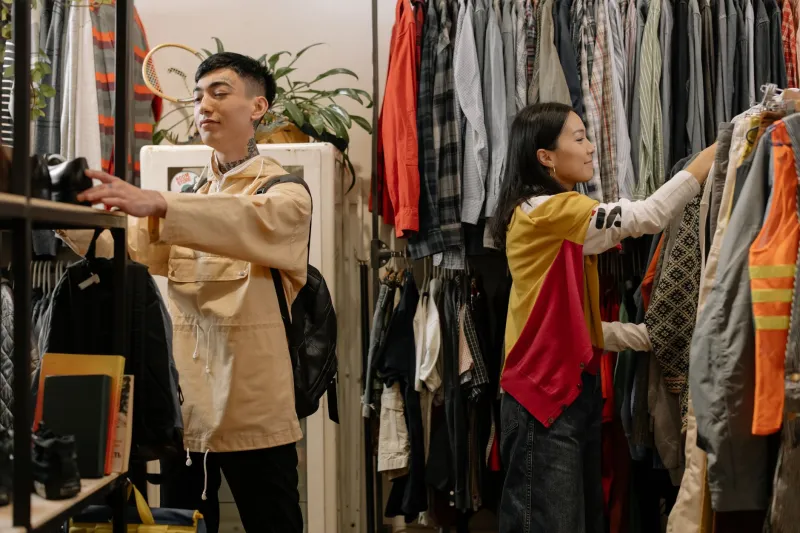
Somewhere in the continental United States right now, a nineteen-year-old is wearing low-rise jeans, a Von Dutch hat, and a look of complete confidence. Nearby, a thirty-four-year-old is experiencing what can only be described as a dissociative episode. This is the current state of intergenerational cultural exchange in America, and honestly? It's a lot.
The Y2K revival has been dissected to death at this point, but the deeper phenomenon — Gen Z's systematic excavation and redeployment of millennial-era aesthetics, media, and memes — keeps getting weirder and more specific. We've moved past "they're wearing our clothes" into territory that requires actual documentation.
What They Got Right (Begrudgingly)
Let's start with some credit where it's due, because fairness matters even when it hurts.
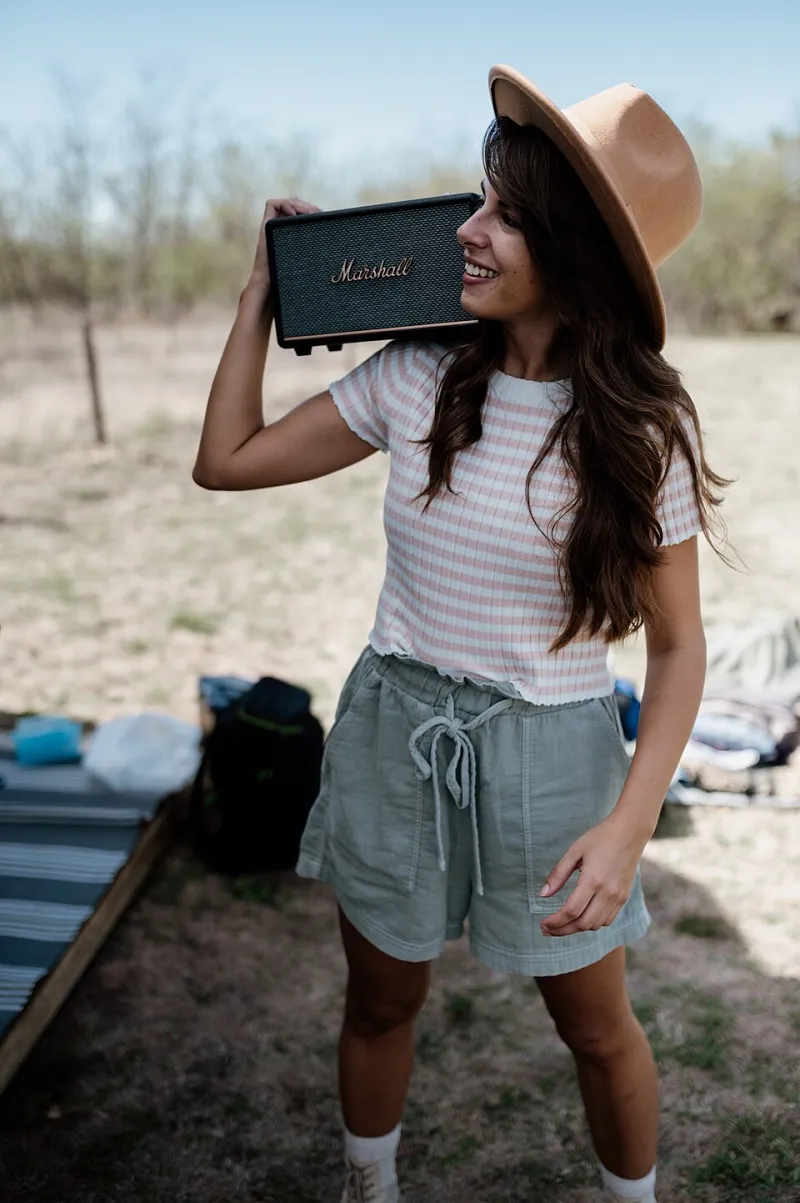
Gen Z's revival of Y2K fashion has, in several cases, genuinely improved on the source material. The original low-rise jean era was not kind to most human body types. The 2024 interpretation tends to sit slightly higher, comes in more inclusive sizing, and is generally worn with less of the self-punishment that defined early 2000s beauty culture. The vibe has been extracted from the era while some of the toxicity was left behind. That's not nothing.
Similarly, the revival of early 2010s indie-sleaze aesthetics — the flash photography, the American Apparel color palette, the general sense that everyone is at a party in a Brooklyn loft — has been refreshed with enough ironic distance that it reads differently now. When a Gen Z photographer shoots in that style, they're quoting something. The original wasn't quoting anything; it was just happening.
The problem is when the quoting goes wrong. Which it does. Frequently.
The Meme Archaeology Disasters
Here is a thing that actually happens: TikTok trends built on millennial memes that have been so thoroughly decontextualized that they mean something entirely different now, and nobody in the comments is old enough to notice.
The "This is fine" dog — the comic panel of a dog sitting in a burning room, calmly drinking coffee — has been repurposed so many times and in so many directions that its original use (political and institutional despair) has been almost entirely sanded off. It now functions as a generic "things are chaotic but I'm coping" image, which is adjacent to the original meaning but missing the specific, bitter edge that made it resonate in 2016.
This isn't Gen Z's fault, exactly. Memes degrade. Context evaporates. By the time a reference passes through enough hands, it becomes a shape without a shadow. But the speed at which this is now happening — the acceleration from origin to nostalgia object to misunderstood relic — has compressed what used to take decades into about eighteen months.
The Twee Question
Perhaps no millennial aesthetic has been more thoroughly remixed and misunderstood than twee. The original mid-2000s to early 2010s twee moment — think Zooey Deschanel, vintage sundresses, ukuleles, the entire aesthetic universe of 500 Days of Summer — was a specific cultural response to a specific moment. It was earnest in a way that felt almost aggressive, a middle finger to ironic detachment dressed up in a peter pan collar.
What Gen Z has done with the adjacent "cottagecore" and "dark academia" aesthetics is interesting because they've kept the visual grammar while completely changing the emotional text. Cottagecore isn't earnest — it's escapist. It's not saying "sincerity is cool" the way twee was; it's saying "the industrial world is overwhelming and I want to live in a mushroom." Same linen, different crisis.
This is actually a more sophisticated transformation than simple copying. It's taking an aesthetic vessel and refilling it with contemporary anxieties. The problem is when the transformation is credited as invention rather than remix — when "dark academia" gets written about as a Gen Z original without acknowledging the entire lineage of prep-school gothic that came before it.
The Streaming Problem
Here's the structural reason this recycling cycle is accelerating, and it's not generational laziness or lack of creativity — it's the library.
Every piece of media that shaped millennial culture is now available, on demand, all the time. The Office. Mean Girls. Gossip Girl. Lizzie McGuire. Laguna Beach. The entire cultural archive of 1995-2015 is sitting in streaming queues, algorithm-recommended and perpetually accessible. Gen Z didn't have to wait for VH1 retrospectives to discover this stuff. They just... found it. At fourteen. Without the original context of when it aired or why it mattered.
This creates a strange kind of cultural ownership dispute. Millennials feel possessive of media that shaped their formative years. Gen Z, having consumed it on their own terms, at their own pace, in their own algorithmic context, have a completely different relationship with the same object. Neither relationship is more valid. Both groups are a little annoying about it.
Who Actually Owns the Past
The honest answer is nobody, which is the answer that will satisfy nobody.
Culture has always been recycled. The 1970s were obsessed with the 1950s. The 1990s were obsessed with the 1970s. Millennials themselves spent a significant portion of the 2010s reviving 1990s aesthetics with the specific enthusiasm of people who were too young to appreciate them the first time. This is not a new phenomenon.
What's new is the speed, the specificity, and the weird power dynamic that comes from the recycling happening in real time, publicly, on platforms where the original creators can watch it happen and comment about it in the replies.
Millennials who are upset about Gen Z "getting it wrong" might want to sit with the fact that getting it wrong is part of the process. Transformation requires misreading. The Von Dutch hat means something different now, and that's not a corruption — it's just how culture moves.
But also: low-rise jeans were a mistake the first time. Some lessons should transfer between generations. We're just saying.
The Part Where We Land
Gen Z raiding millennial culture isn't theft. It's not disrespect. It's not even particularly original as a generational behavior. It is, however, happening faster and more visibly than any previous nostalgia cycle, which creates a specific friction that feels new even when the pattern isn't.
The Juicy Couture tracksuit is back. The Von Dutch hat is back. The low-rise jean is back. "That's So Raven" is apparently a personality trait for people born in 2004.
Millennials can either spend energy being annoyed about it, or they can accept that their childhood is now a costume and find that either funny or liberating.
Most of them are choosing annoyed. The irony of this being the least millennial response possible is not lost on us.