Cozy Is a Trap: How the Internet Learned to Sedate You With Vibes
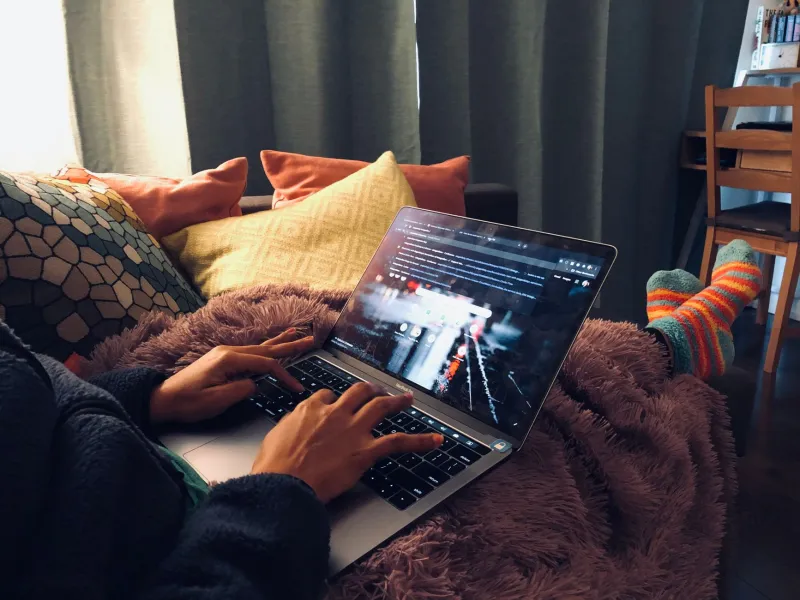
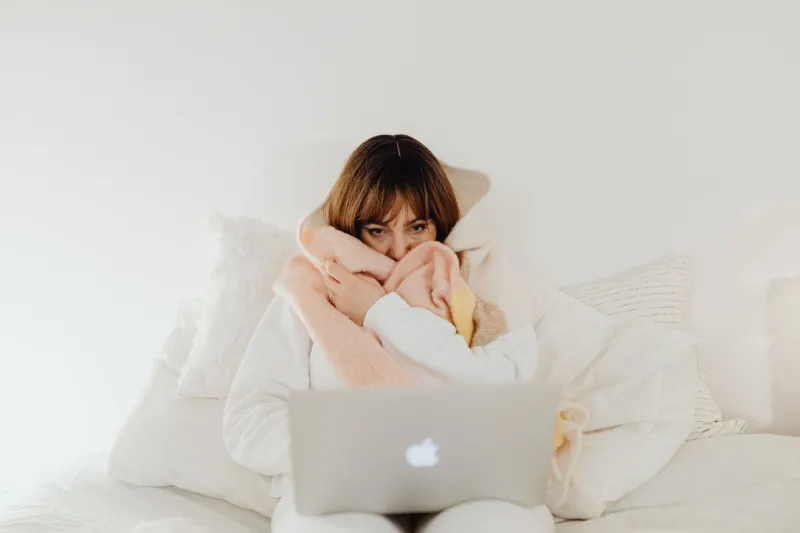
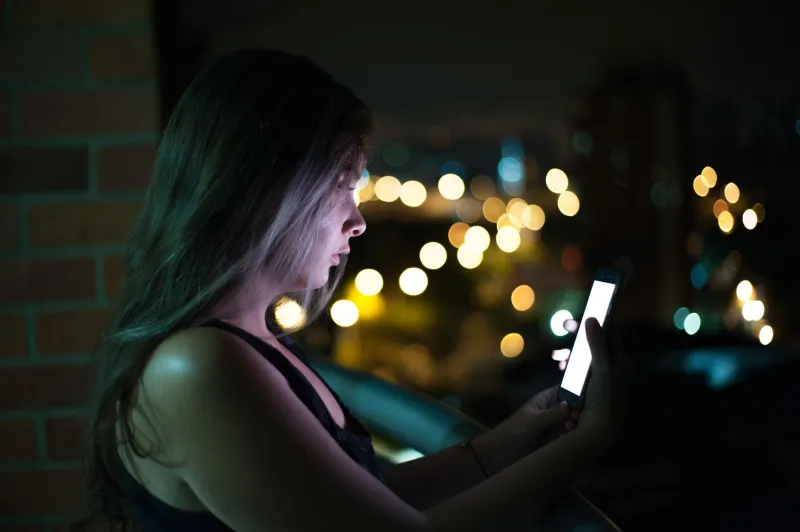
Let's set the scene. It's 9:47 PM on a Tuesday. You have texts you haven't answered, a gym membership you're emotionally estranged from, and at least one friend you've been meaning to call for three weeks. But none of that matters right now because someone on YouTube is organizing their pantry to lo-fi beats, and you simply cannot look away.
This is comfort content. And it has you in a chokehold so gentle you've completely stopped noticing it.
The Algorithm Has Studied Your Sadness Like a Final Exam
Here's the thing about modern recommendation engines: they are not trying to entertain you. They are trying to retain you. There's a difference, and it's a big one. Entertainment implies some kind of arc — a beginning, a middle, an end where you close the laptop and go do something with your physical body. Retention just means you're still there. Still watching. Still scrolling. Still technically present while also being completely absent from your own life.
Platforms like YouTube, TikTok, and Netflix have spent billions of dollars — actual billions — figuring out the precise cocktail of content that keeps you in the app without ever fully satisfying you. And what they found, somewhere around 2019 and turbocharged by a global pandemic, is that low-stakes cozy content is basically digital fentanyl. It's warm. It's harmless. It asks nothing of you. And it is extremely, catastrophically easy to consume in quantities that probably aren't good for you.
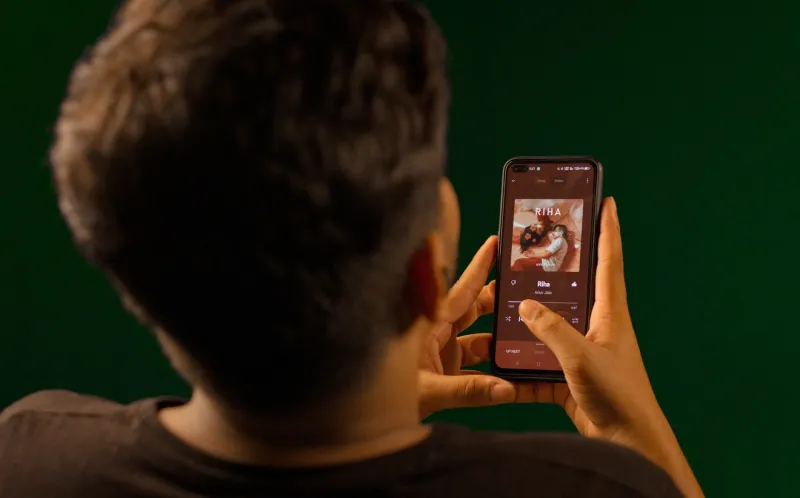
Cottagecore aesthetics. Mukbang videos. 'Study with me' streams. Rain sounds. Fireplace loops. Someone's grandmother making bread in a farmhouse kitchen. These aren't random trends — they're a genre the algorithm has actively cultivated because it works. Your nervous system responds to this stuff like a golden retriever encountering a warm towel fresh out of the dryer. You go limp. You stay.
Why Your Brain Chose a Stranger's Soup Over Your Actual Life
Psychologists have a term for what's happening here: "parasocial comfort." The idea is that watching other people exist — eating, organizing, studying, just being — triggers some of the same neurological rewards as actual human connection. Your brain, bless its little over-evolved heart, doesn't fully distinguish between watching someone have a cozy evening and actually having a cozy evening.
Which sounds cute until you realize that you've now watched 47 minutes of a Korean mukbang creator eating army stew while your roommate is literally in the next room and you haven't spoken to them since Thursday.
The loneliness piece is the part no one really wants to say out loud, but here it is: comfort content exploded at the exact moment Americans were most isolated from each other. And rather than filling the gap temporarily while we figured out how to reconnect, a lot of us just... settled in. The content was easier than the people. The algorithm was more reliably soothing than any actual conversation. Real relationships require effort, reciprocity, and occasionally being wrong about something. A cottagecore ASMR video requires nothing except that you have a phone and approximately zero plans.
The Cozy-to-Numb Pipeline Is Very Real
There's a version of comfort content that's genuinely healthy. Putting on a familiar show while you cook dinner? Therapeutic. Background music while you work? Completely reasonable human behavior. But somewhere along the spectrum between "pleasant background noise" and "I have watched eleven hours of tiny food being made and I cannot feel my legs," something shifts.
The trap isn't the content itself. The trap is the loop. Comfort content is specifically engineered to have no satisfying conclusion. A mukbang ends and another one autoplays. A lo-fi stream runs for ten hours by design. Cottagecore TikToks are infinite — there will always be another aesthetic farmhouse, another sourdough starter, another person living a life that looks aggressively peaceful and makes yours feel, by comparison, like an unfinished construction site.
You never reach the end. You never feel full. You just keep watching, and the algorithm keeps feeding you, and somewhere in there the evening disappears and you've once again successfully avoided whatever it was you were supposed to be feeling.
The Aesthetic of Doing Nothing Has Never Been More Aspirational
Here's where it gets genuinely interesting from a cultural standpoint: we've made watching other people be cozy into an aspiration. The cottagecore girlies aren't just content creators — they're selling a fantasy of stillness in a world that has never been louder. The 'slow living' TikTok genre exists because actual slow living requires dismantling your entire life, and watching someone else do it costs nothing and takes thirty seconds.
We are, as a society, extremely online about the concept of being extremely offline. The irony is so thick you could thatch a roof with it.
And the platforms know this. They know that the more overstimulated and disconnected you feel, the more aggressively you'll reach for content that simulates rest without actually providing it. It's the junk food of emotional regulation — it hits the right receptors, it feels satisfying in the moment, and then twenty minutes later you feel vaguely worse and reach for more.
So What Do We Actually Do About It
Here's where Wakka Wakka is going to resist the urge to give you a listicle of wellness tips, because honestly, you've seen those. You've probably watched a YouTube video about digital minimalism while simultaneously having three other tabs open.
What's worth sitting with — if you can tolerate sitting with something that isn't content — is the question of what you're actually reaching for when you open the app. Sometimes it's genuine rest, which is valid and human. But sometimes it's avoidance. Sometimes it's loneliness that you've learned to silence rather than address. Sometimes the most radical thing you could do is put the phone down and text the person you've been meaning to text, or call the friend, or just sit with the quiet long enough to figure out what it's actually telling you.
The algorithm is very, very good at making sure you never have to do that. It will always have something warmer and softer and lower-stakes ready to go.
The question is whether you want to be retained, or whether you want to actually live your weird, imperfect, un-aesthetic life.
The rain sounds will still be there tomorrow. Your people might not wait that long.